


















The Problem: A Cattle Crush That Won't Stay Put
You built or bought a good crush to make handling safer and easier. But every beast that comes through pushes, leans and kicks, and the head bail slams shut again and again. On bare ground, a free-standing crush slowly walks across the yard, rocks on uneven ground, or lifts at one end when a big animal throws its weight around.
It's frustrating. You end up dragging the crush back into line, packing timber under the legs, or holding your breath every time a heavy steer hits the side. It shouldn't be this hard to keep a piece of yard gear still.
The old answer is to dig holes and concrete the posts in. That's slow, it's a big job, and concrete is permanent. Once it's set, your crush is locked in that spot for good. Want to rotate yards, set up in a new paddock or take the crush to a different property? You're back to breaking out footings and starting again.
What's at Stake If the Crush Keeps Moving
A crush that shifts isn't just annoying. It's a risk:
- Injury. A crush that moves or tips under load can catch a handler's hands, legs or feet, and can hurt the animal inside it.
- Damaged gear. Every time the frame twists or drags, it puts strain on welds, hinges, the head bail and the panels around it.
- Wasted time. Stopping mid-job to reposition the crush, or calming stirred-up cattle after it jolts, turns a quick job into a long day.
- Lost flexibility. Concrete the crush in and you're stuck with that layout. Moving it later means digging out footings and pouring new ones.
We Get It: Your Ground, Your Cattle, Your Yard
At GroundGrabba we spend our days helping Australians anchor things that have to stay put, on all sorts of ground. We know the tough stuff isn't the topsoil. It's the hard clay, compacted laneways and stony patches underneath. That's why we built a Commercial range for heavy-duty jobs like livestock handling, and why we're upfront about what it takes to get long anchors in.
How This Cattle Crush Was Anchored

The customer's blue steel crush in use, anchored with 900mm GroundGrabba Commercial anchors.
The photos show this customer's crush back at work: a blue steel crush with a head bail and timber kick panels, set up in a dirt yard, holding first a Highland and then a black Angus-type cow.
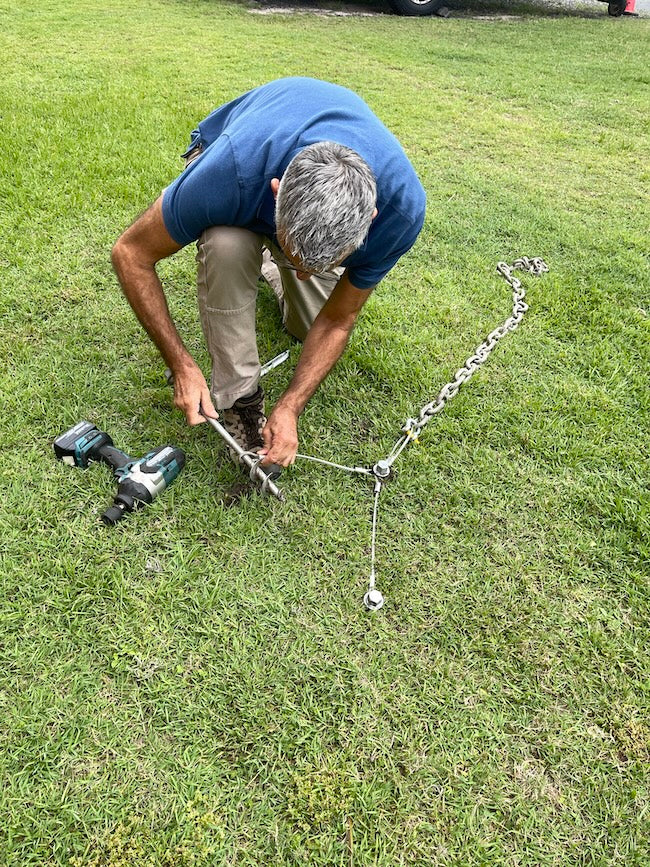
To stop it shifting, the farmer chose 900mm GroundGrabba Commercial anchors. At about 600mm below the surface, he hit extremely hard ground. His Makita impact wrench just wouldn't spin the anchors any further past 600mm or so. So, to finish the job, he put a breaker bar on the socket and turned each anchor the rest of the way down by hand.
Would a bigger tool have done it on its own? Perhaps. A Milwaukee 3/4" or 1" drive impact wrench with around 2,500Nm, roughly 700Nm more than his Makita, would likely have driven the anchors to full length by itself.
Hard ground can present a challenge. Sometimes it takes a pilot hole, sometimes reaming the hole out, sometimes water to soften the ground. You do what you must to get the anchor down to full length.
His crush also shows where the 600mm Commercial Pro I earns its place. If you're doing a shallower install, or your ground turns impenetrable at around 600mm like his did, the 600mm anchor is sized for that depth, so you can drive it to full length without fighting the last stretch. Where you can get the 900mm all the way down, though, the extra depth is worth the effort, which is why it's still our first choice for a crush.
And here's the upside: if it takes that much force to get a GroundGrabba in, you can be sure its hold will be extreme.
Why 900mm Commercial Anchors Suit a Cattle Crush
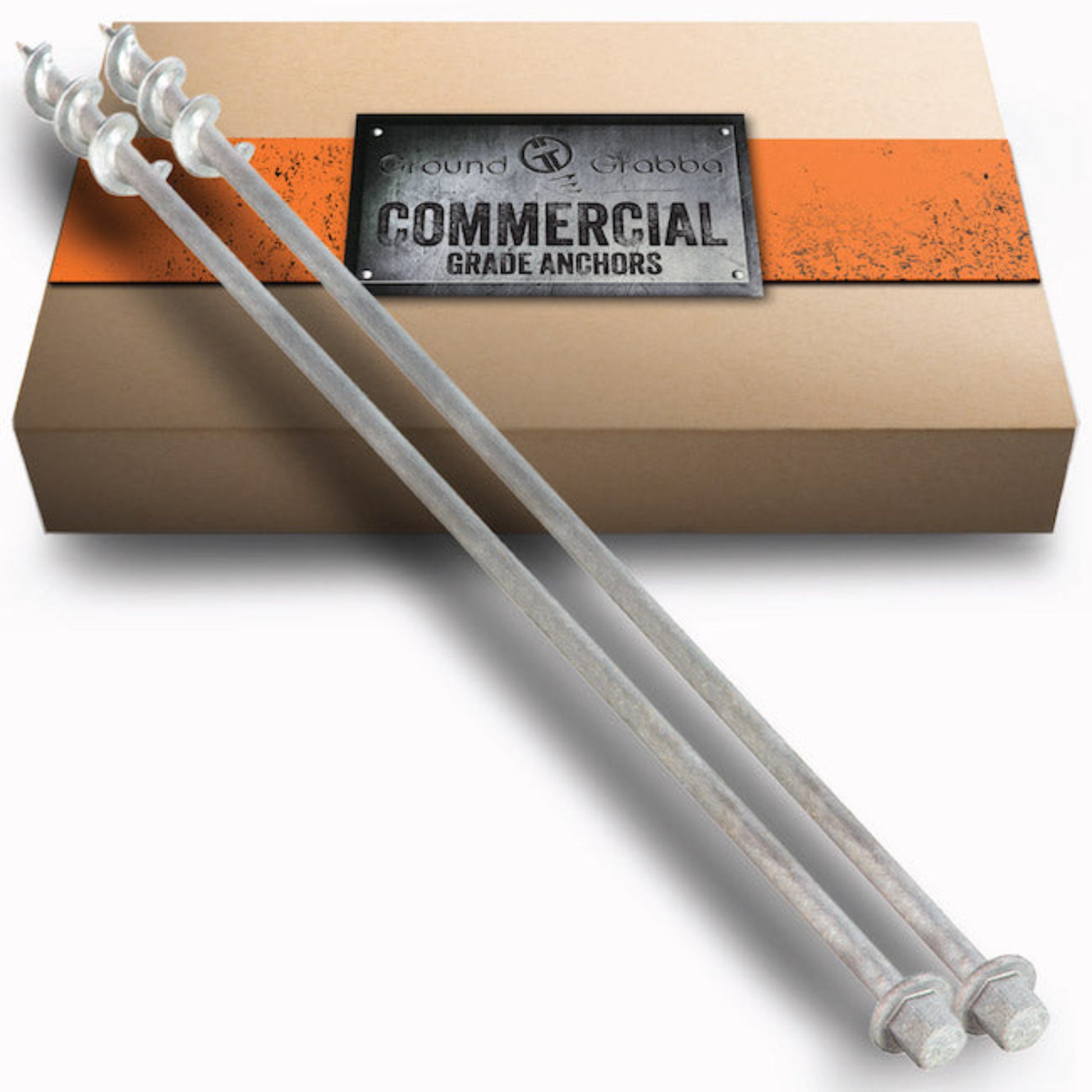
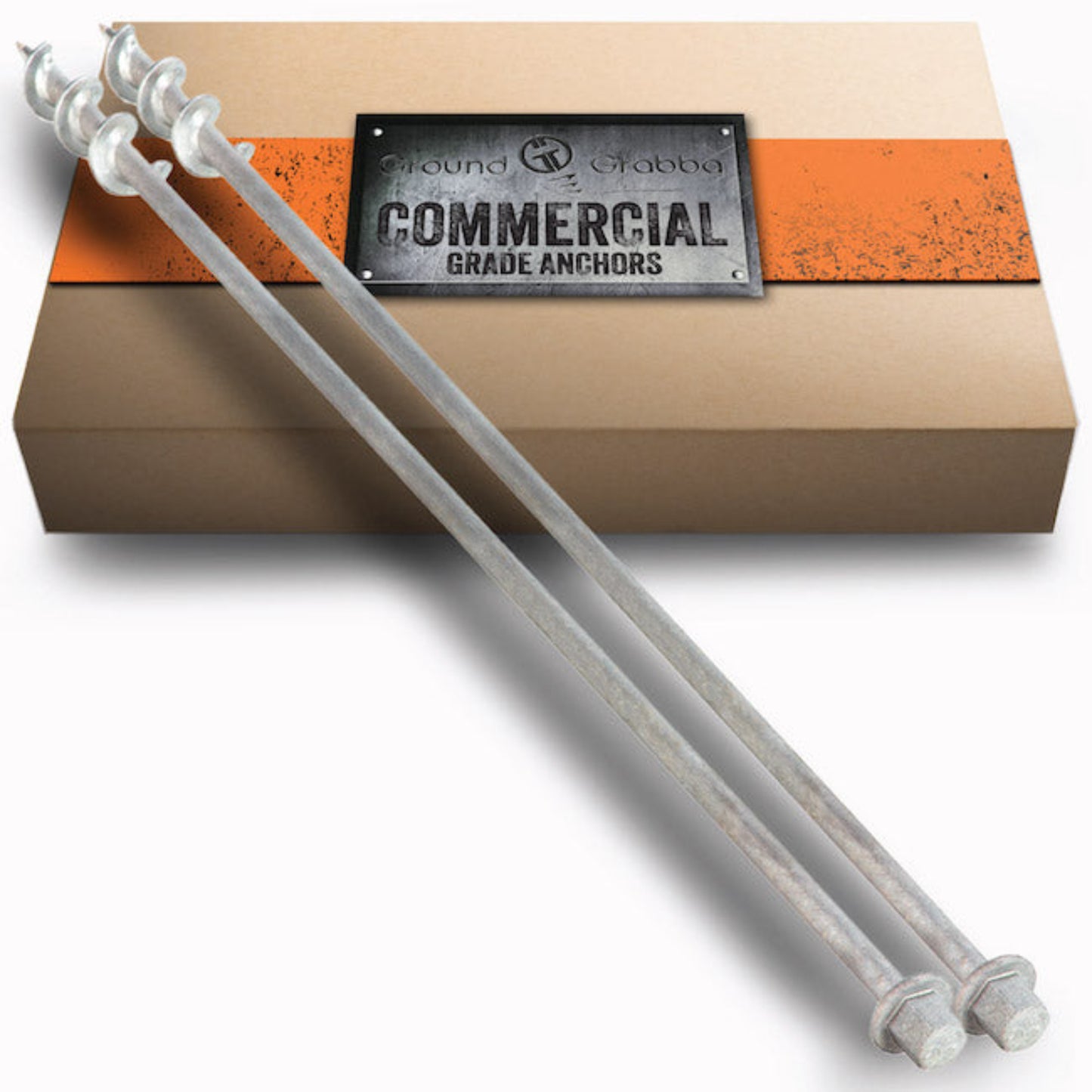
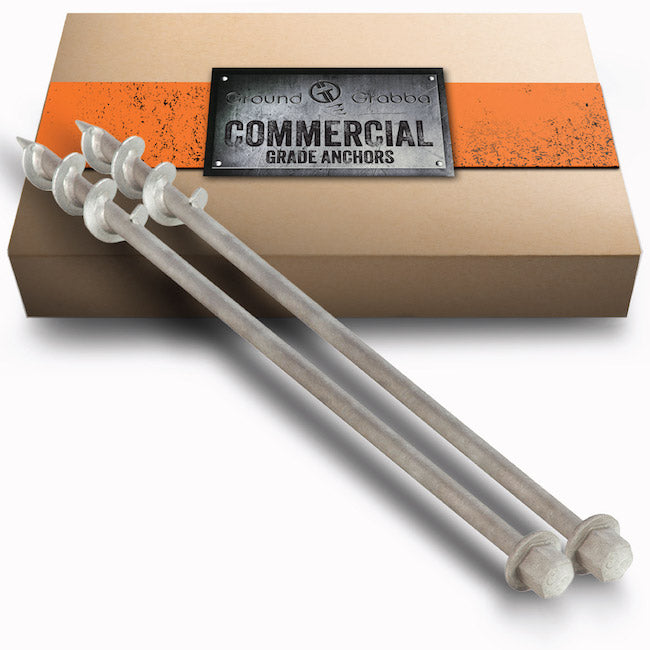
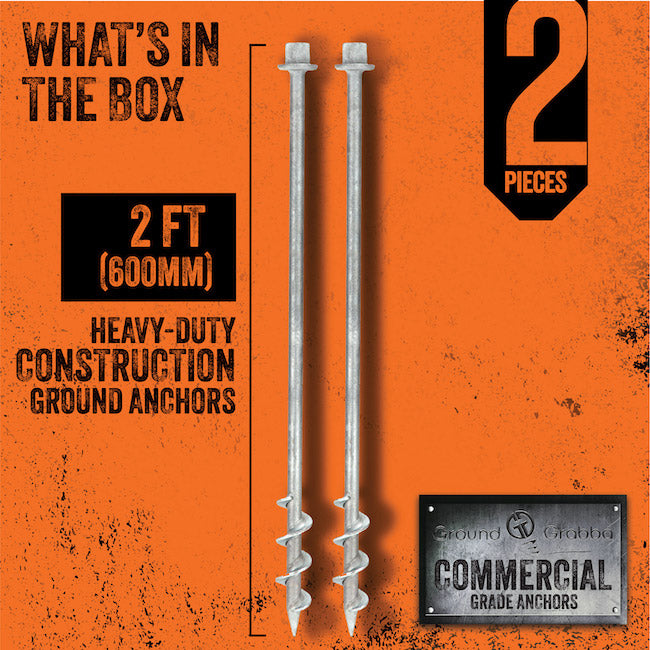
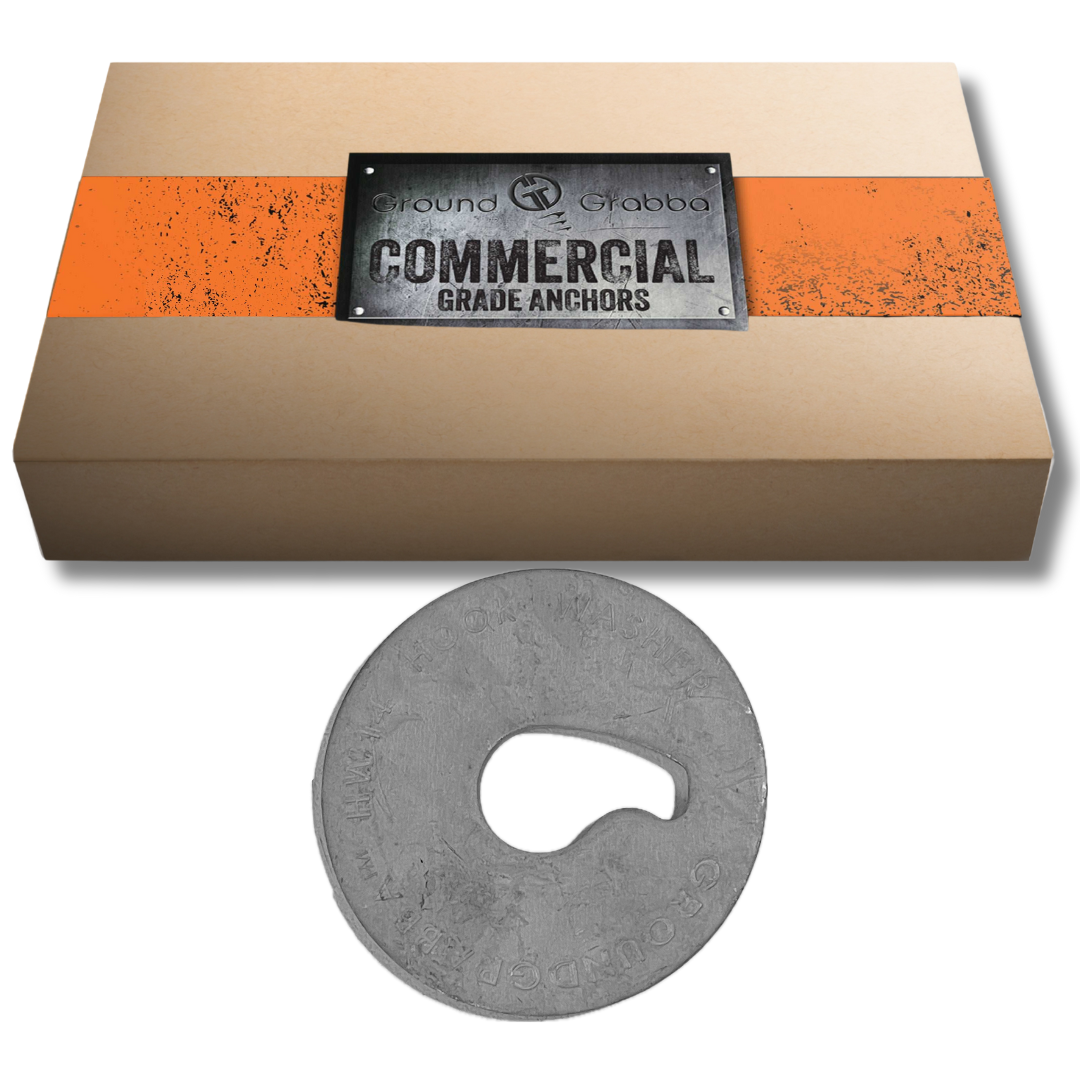
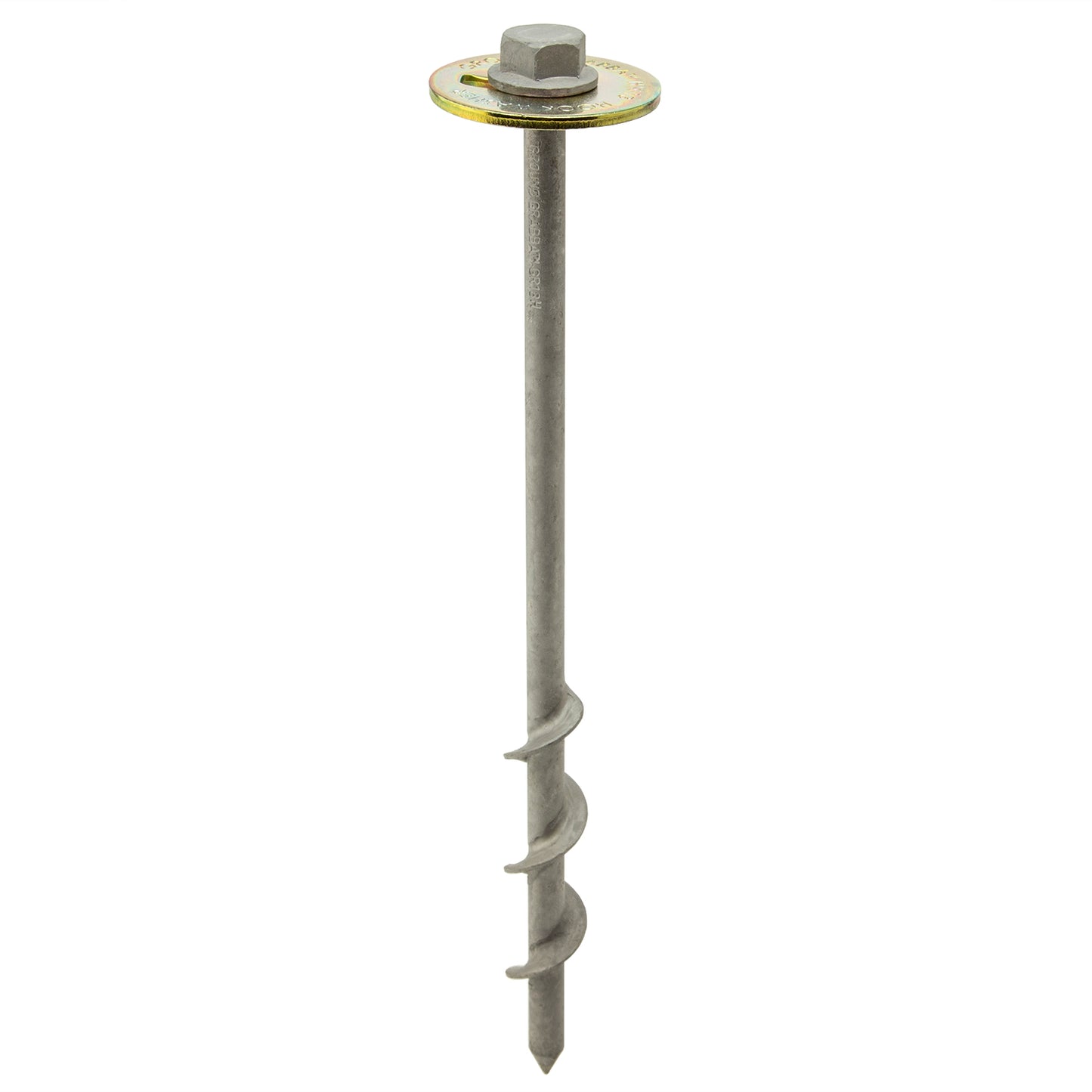
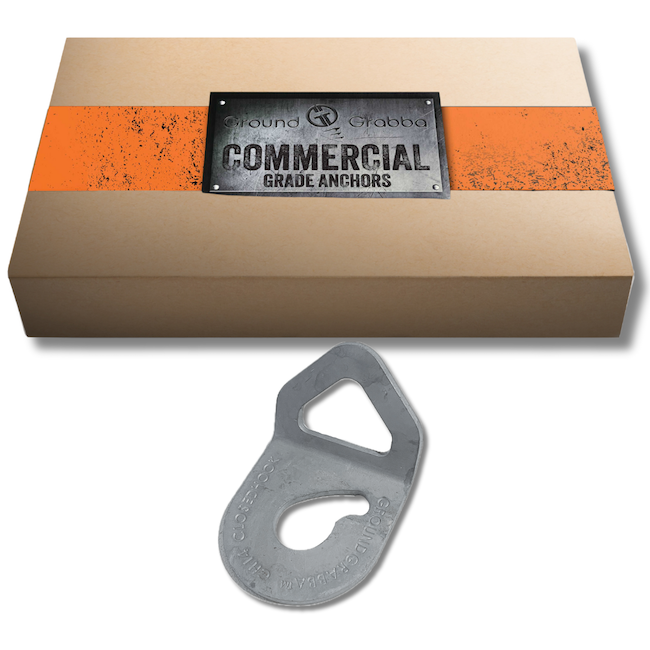
For livestock equipment we point people to the GroundGrabba Commercial range: a heavy-duty 15mm shaft and a reinforced hex head driven with a 1" AF socket.
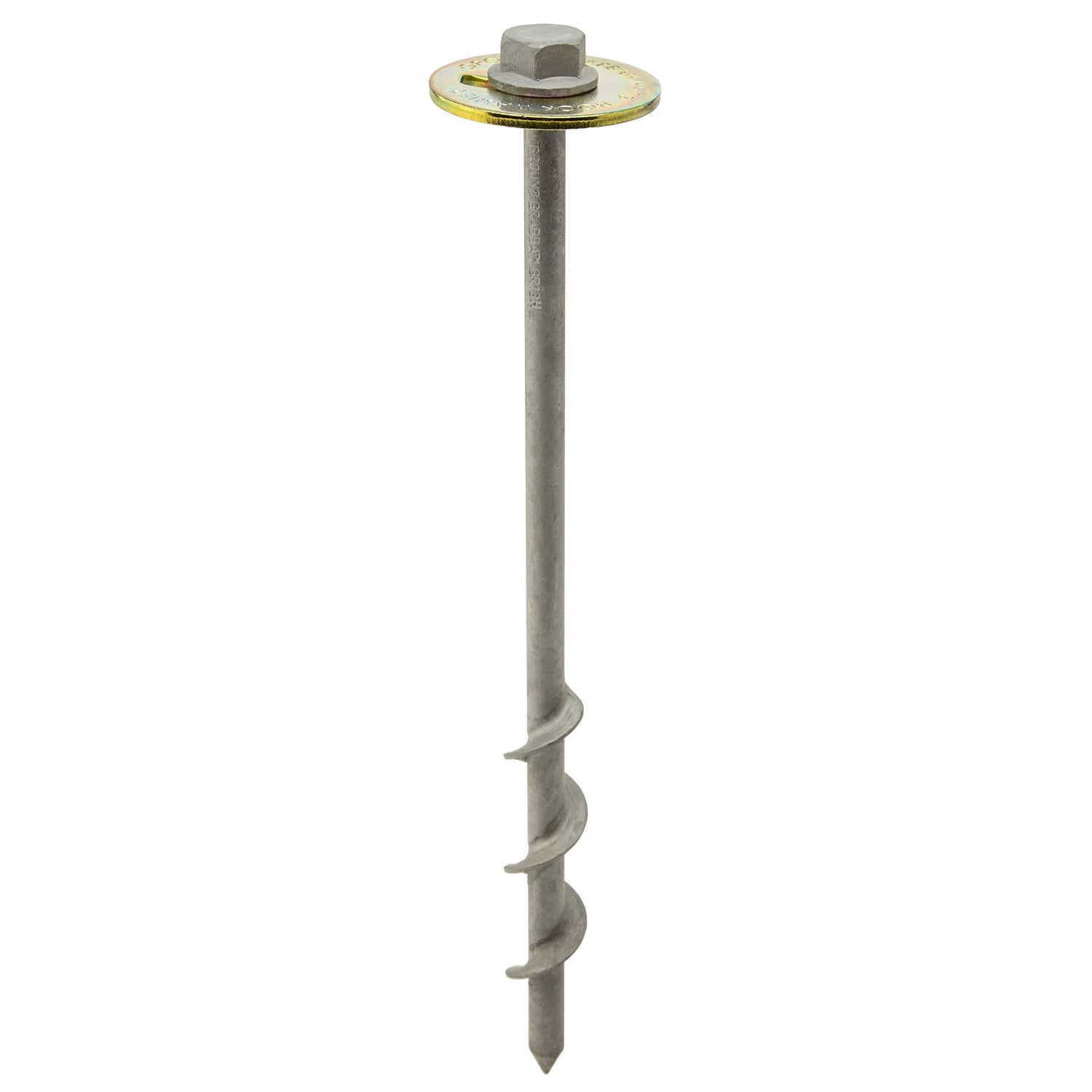
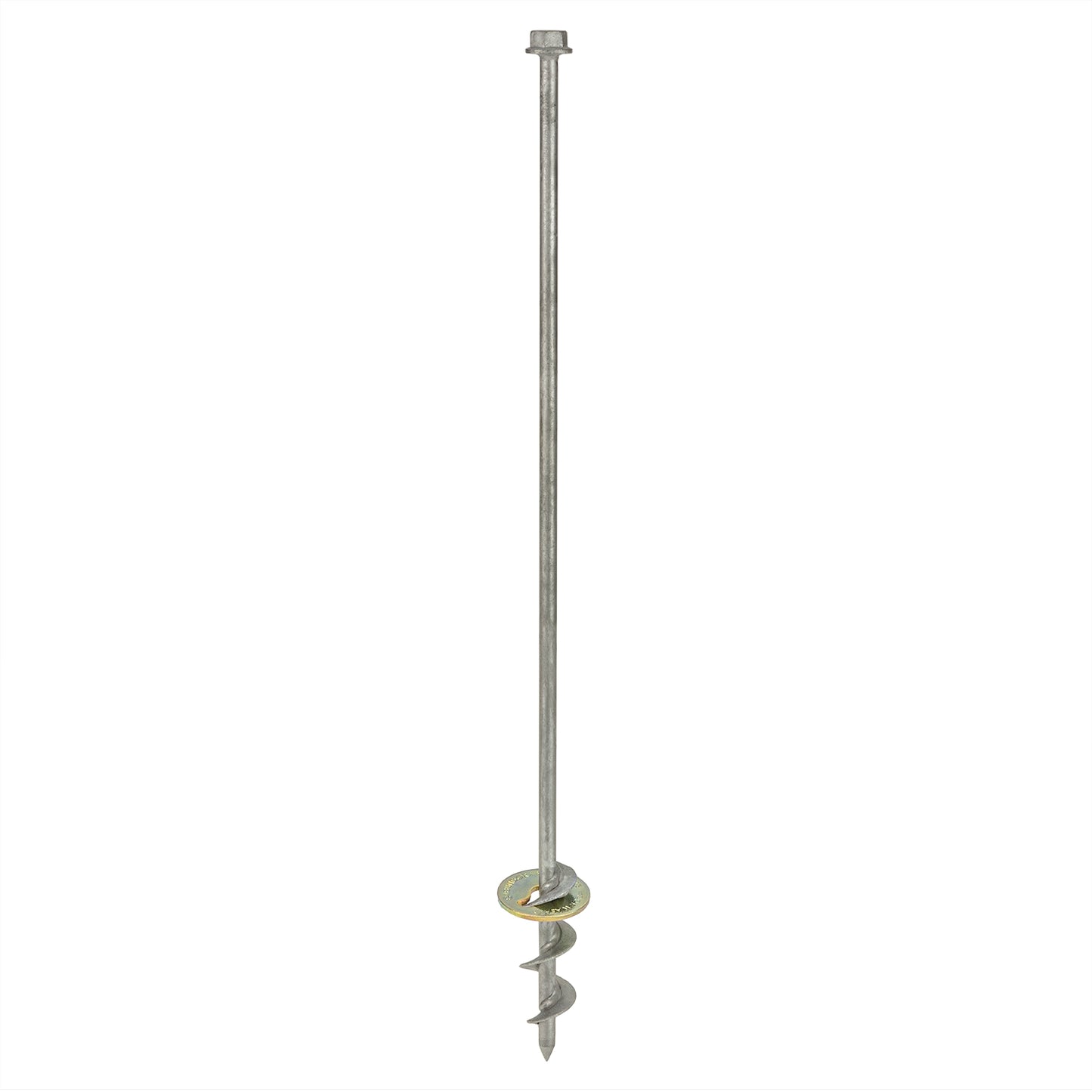
900mm Commercial Pro II (GR14-L)
The 900mm Commercial Pro II is our longest and toughest anchor. The extra length lets the flights reach past wet, loose or hoof-churned topsoil into firmer ground below. That deeper bite is what you want for a crush that cops repeated sideways pushing and lifting. Two anchors per pack.
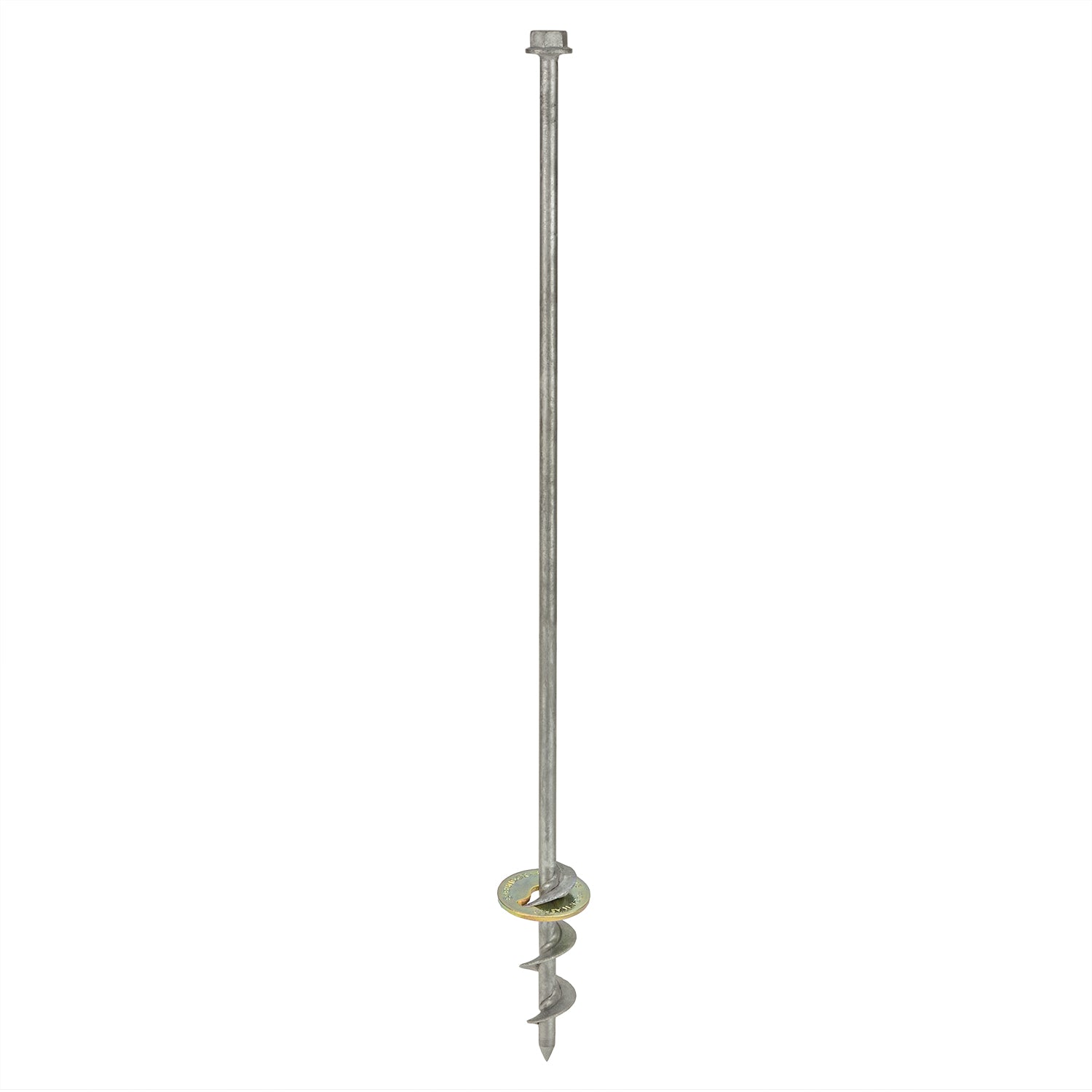
600mm Commercial Pro I (GR14-M)
The 600mm Commercial Pro I has the same 15mm shaft, with 40mm flights and a hot-dip galvanised finish, in a shorter length that's easier to handle and drive. It suits shallower installs, firmer ground, ground that turns impenetrable around 600mm, and lighter yard gear such as gates and panels. Two anchors per pack.
Anchoring the yard panels or temporary fencing around your crush as well? See our guide to temporary fencing and barriers.
Move Your Crush Whenever You Need To
Unlike concrete, GroundGrabbas are reusable and portable. When it's time to rotate yards, work cattle in a new paddock or take the crush to a different property, simply unscrew the anchors, move the crush and screw the same GroundGrabbas back in at the new spot. Your anchors move with your gear, so you're never locked into one yard layout.
The Plan: Anchor Your Crush in 3 Steps
Step 1: Choose 900mm Commercial anchors
Start with the 900mm Commercial Pro II 2-pack for each side of the crush, and keep a 600mm Commercial Pro I 2-pack on hand for shallower installs, ground that turns impenetrable around 600mm, or lighter gear nearby.
Step 2: Drive them in with a high-torque impact wrench
Use a Milwaukee 3/4" or 1" drive impact wrench with around 2,500Nm, fitted with a 1" AF socket. Keep the anchor upright and steady and let the tool and the flights draw it down. A standard cordless drill won't do the job, and the torque can kick back into your wrist.
Step 3: Finish the job in tough ground
Australian ground varies, sometimes within the same yard. If the anchor slows or stops, don't keep hammering. Do what you must to get it down to full length:
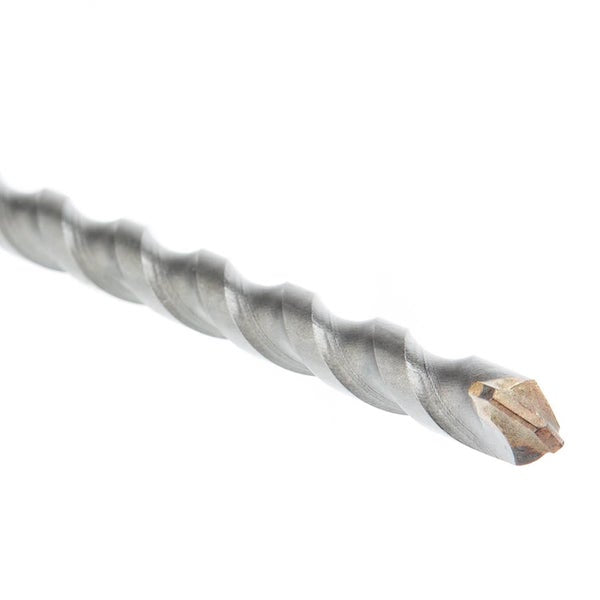
- Pilot hole. In hard or stony ground, drill a pilot hole with a rotary hammer and a long 900mm SDS masonry drill bit so the flights engage cleanly from the first turn. Clear the spoil often so the bit doesn't stall.
- Ream it out. If the shaft is still binding, work the drill up and down to open the hole and take friction off the shaft.
- Add water. Dry, baked clay can be close to concrete. Pour water into the pilot hole and give it time to soak in to soften the ground before driving.
- Breaker bar (optional). If only the last stretch is left and the wrench is stalling, you can turn the anchor the rest of the way by hand with a large breaker bar on the 1" AF socket. The final section is often the toughest, because the flights are reaching denser, undisturbed soil.
Know when to stop. Some ground is impenetrable. Solid rock, shale shelves and buried footings won't take a screw-in anchor, no matter the tool. If you've drilled, reamed and soaked and it still won't go, don't force it. Shift the position, switch to a 600mm Commercial Pro I if the hard layer sits around 600mm, rethink where the crush sits, or use a different fixing method. For more, see our guide to rocky and hard ground anchoring.
What Success Looks Like
Picture the next time you run cattle through. The crush stays where you put it. The head bail closes on a solid frame, the cattle walk in and out without the whole thing lurching, and you get through the job without stopping to drag gear back into line. If your anchors fought their way into hard ground, even better: the more force it takes to get a GroundGrabba in, the harder it holds. No concrete and no curing time. And when the season changes and you want the crush somewhere else, you unscrew your GroundGrabbas, move it, and redeploy the same anchors, whether that's the next yard, a new paddock or another property.
Ready to Stop Your Crush Moving?
Shop the 900mm Commercial Pro II 2-pack (GR14-L) for the deepest hold, and add the 600mm Commercial Pro I 2-pack (GR14-M) for firmer ground and lighter yard gear.
Not ready to buy yet? Have a read of our guide to rocky and hard ground anchoring, or see how builders use 600mm and 900mm GroundGrabbas to stabilise excavation walls.
Every site is different. Soil type, moisture, the size of your cattle and how the crush is built all affect how it behaves. This post shows one customer's practical approach. For permanent or high-risk livestock handling setups, also follow the crush manufacturer's installation guidance.
Frequently Asked Questions
What size ground anchor should I use for a cattle crush?
For a cattle crush, GroundGrabba recommends its Commercial range. The 900mm Commercial Pro II (GR14-L) is the first choice because the extra length reaches firmer ground below loose, hoof-churned topsoil. The 600mm Commercial Pro I (GR14-M) suits shallower installs, firmer ground, or ground that turns impenetrable around 600mm, where a 900mm anchor can't be driven to full depth.
Can I anchor a cattle crush without concrete?
Yes. GroundGrabba Commercial anchors screw straight into the ground with an impact wrench and a 1" AF socket, so there's no digging, no concrete and no curing time. They can also be unscrewed and reused if you move the crush.
What impact wrench do I need to install a 900mm GroundGrabba?
We recommend a Milwaukee 3/4" or 1" drive impact wrench with around 2,500Nm of torque, fitted with a 1" AF socket. Smaller impact wrenches may not have the torque to drive a 900mm anchor to full depth. The customer in this post hit extremely hard ground at about 600mm, where his Makita impact wrench couldn't drive the anchor any further, so he finished the job with a breaker bar. A Milwaukee at around 2,500Nm, roughly 700Nm more, would likely have done it by itself.
What if the anchor stops before it's fully in?
Don't keep hammering. Hard ground can present a challenge, so do what you must to get the anchor down to full length: back it out and drill a pilot hole, ream the hole out, or pour water in to soften the ground before trying again. If only the last stretch is left, you can also turn it the rest of the way by hand with a large breaker bar on the 1" AF socket.
How do I install ground anchors in hard, dry or rocky ground?
Drill a pilot hole with a long SDS masonry bit, ream it out if the shaft is still binding, and pour water into the hole to soften dry clay or compacted soil, giving it time to soak in. Some ground, such as solid rock, is impenetrable. In that case you'll need to shift the position or use a different fixing method.
Can I move my cattle crush later?
Yes. Unlike concrete, which is permanent, GroundGrabba Commercial anchors are reusable and portable. Reverse them out with a high-torque impact wrench, or a breaker bar in tight ground, move the crush to a new yard, paddock or property, and screw the same anchors back in at the new site.